
Best time to visit Mumbai: season by season
When to go for the best weather, fewer crowds and the right tours.
The best time to visit Mumbai is October to February, when the weather is drier, clearer and more comfortable. March to May is hot and humid, and June to September is the monsoon, with heavy rain and possible ferry disruptions.
Season by season
| Months | What it is like | Good for |
|---|---|---|
| October | Monsoon ends; still warm and humid | Greener city, fewer crowds, Elephanta ferry usually back |
| November to February | Dry, sunny and the most comfortable | Everything: walks, caves, markets, food |
| March to May | Hot and humid | Early-morning and evening tours; plan indoor stops at midday |
| June to September | Monsoon: heavy rain, humid, lush | Fewer visitors and lower prices elsewhere, but ferries and caves can be disrupted |
Temperatures are a guide only: winter days are warm, summer days hot and humid, and the monsoon is wet and humid but not cold. Check the forecast before you go.
Winter (November to February)
This is peak season for good reason. Mornings are comfortable, skies are mostly clear, and everything is open. The Elephanta ferry runs reliably and the light on the Gateway of India is superb. Book tours early, especially around Christmas and New Year. Air quality can dip on some days, so check if you have respiratory issues.
Summer (March to May)
It gets hot and sticky. Mornings and evenings are fine, but the middle of the day is draining. Choose early starts, finish by early afternoon and keep drinking water. Heritage walks and caves are best done first thing.
Monsoon (June to September)
Mumbai in the rain is dramatic, green and quieter. Showers can be heavy, roads can flood, and the sea can be too rough for the Elephanta ferry, which may stop altogether. If the ferry does not run on the day, the Elephanta tour cannot run. There is no refund for bad weather: we offer you a different tour, decided on the day about 4 hours before the start time, such as the full day city tour. See our weather policy.
Festivals worth planning around
- Ganesh Chaturthi (usually August or September): the city’s biggest festival, with colourful processions and crowds.
- Diwali (usually October or November): lights, sweets and a festive mood.
- Holi (usually March): the festival of colours.
- Kala Ghoda Arts Festival (usually February): art, music and street performances in the heritage district.
Dates change every year, so check before you go. Roads close and traffic thickens during processions.
Our advice
If you can choose, come between November and February. If you cannot, pick your tours by season: caves and walks early in hot months, indoor and city tours in the rain, and always keep a flexible day. See our first-timer’s guide or ask us for a plan.
Quick answers
What is the best month to visit Mumbai?
December and January are generally the most comfortable, with dry, sunny weather.
Is Mumbai worth visiting in the monsoon?
Yes, if you are flexible. It is green and quiet, but heavy rain can disrupt plans, and the Elephanta ferry may stop.
When is the hottest time in Mumbai?
March to May is the hottest and most humid.
Does the Elephanta ferry run in the rain?
It does not run in bad weather, which is most likely from June to September.
Private tours to match
⏱ 5-6 hours
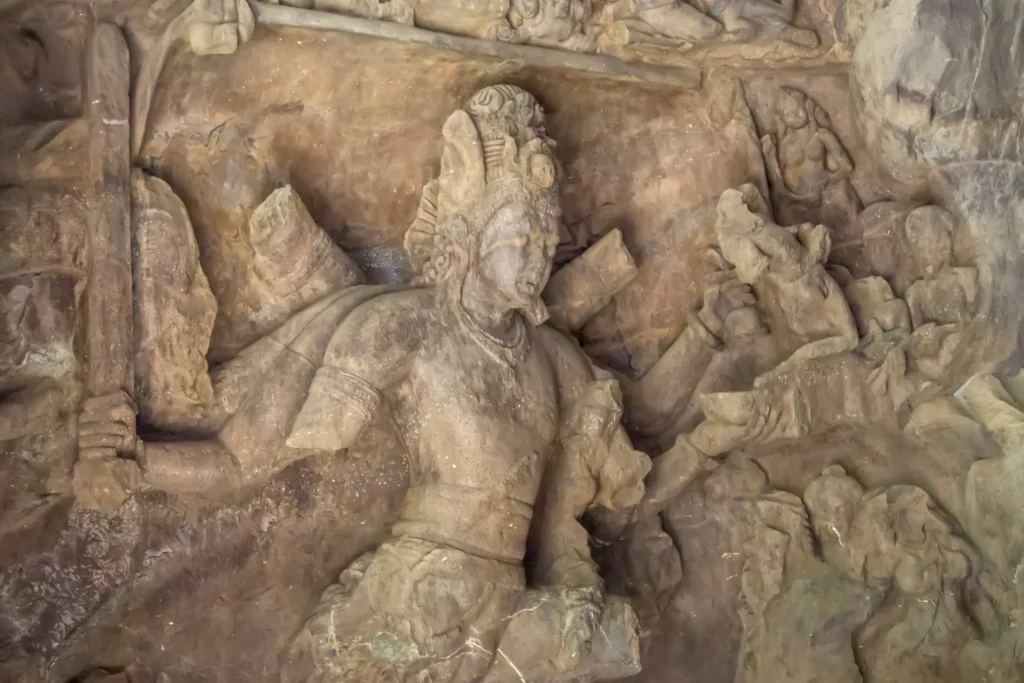
Ferry, 120 steps and a rock-cut temple to Shiva.
$80 per person for 2+
⏱ 4-5 hours
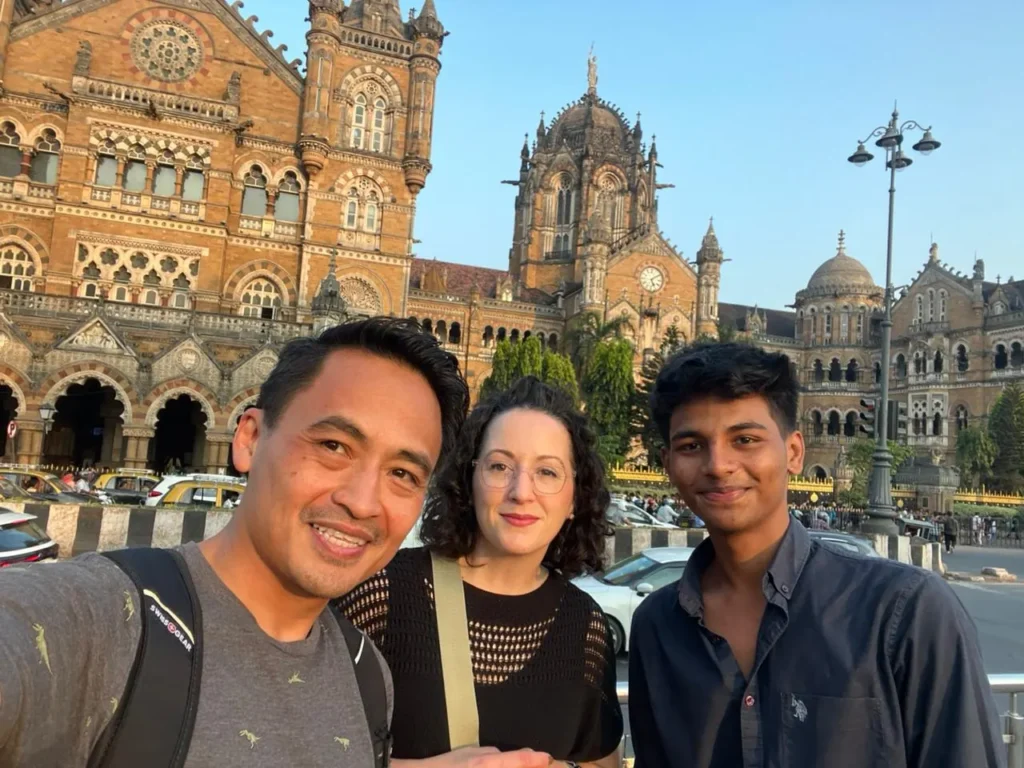
The essential Mumbai in a morning or afternoon.
$45 per person for 2+
⏱ 3 to 4 hours
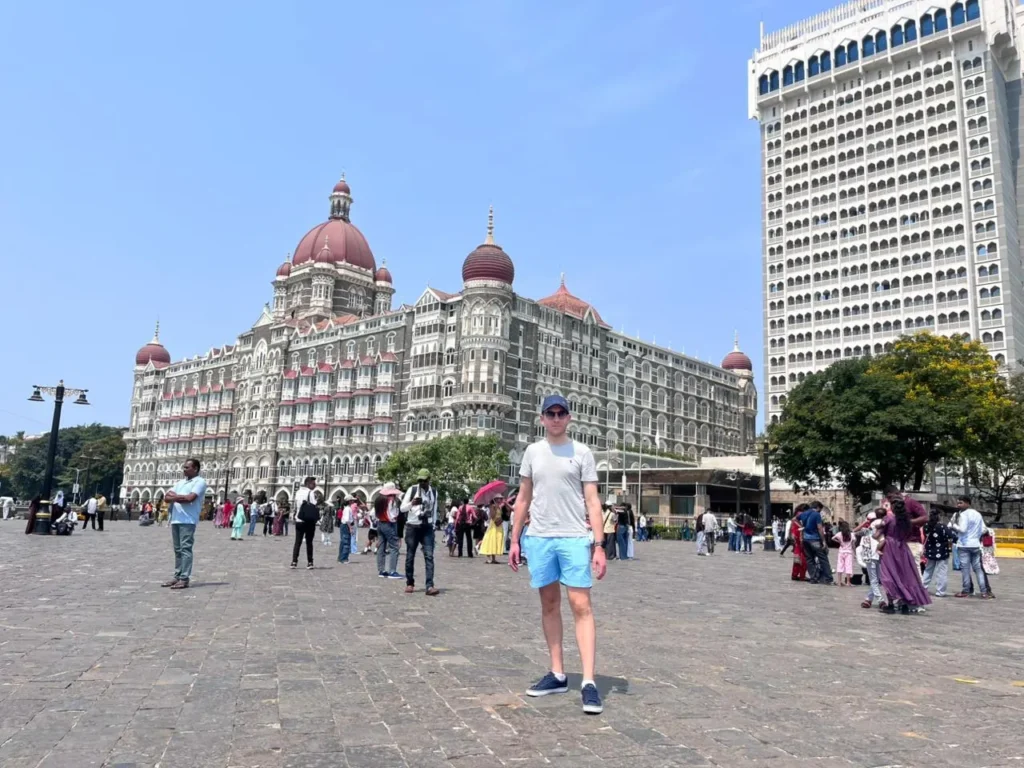
Colonial Bombay on foot, with the stories behind the stone.
$20 per person for 2+
Plan your private Mumbai day
Tell us your dates, group size and interests. We reply personally with a plan and a clear price. No payment on this site.